
“Political Parties, Party Systems and Elections” Research Network
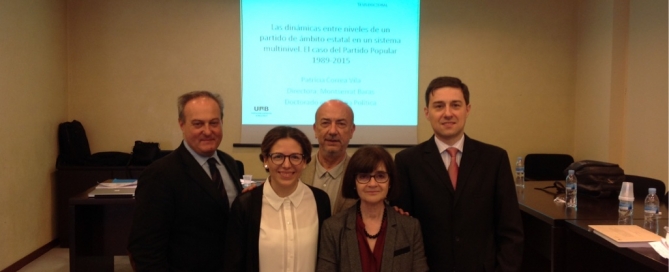
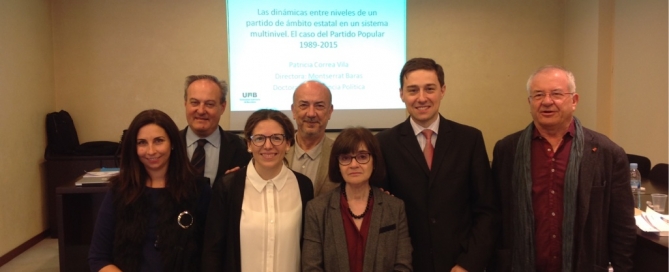
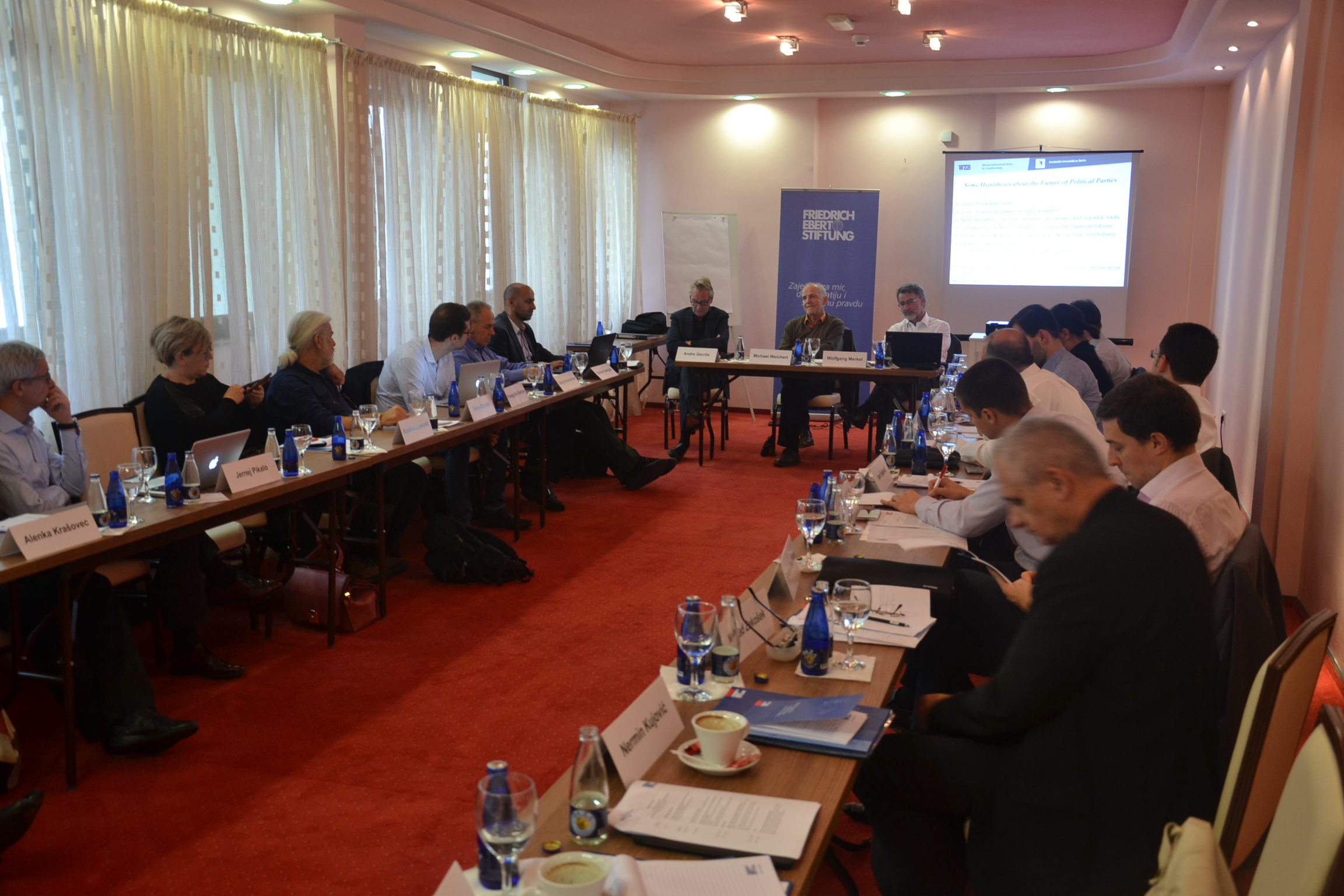
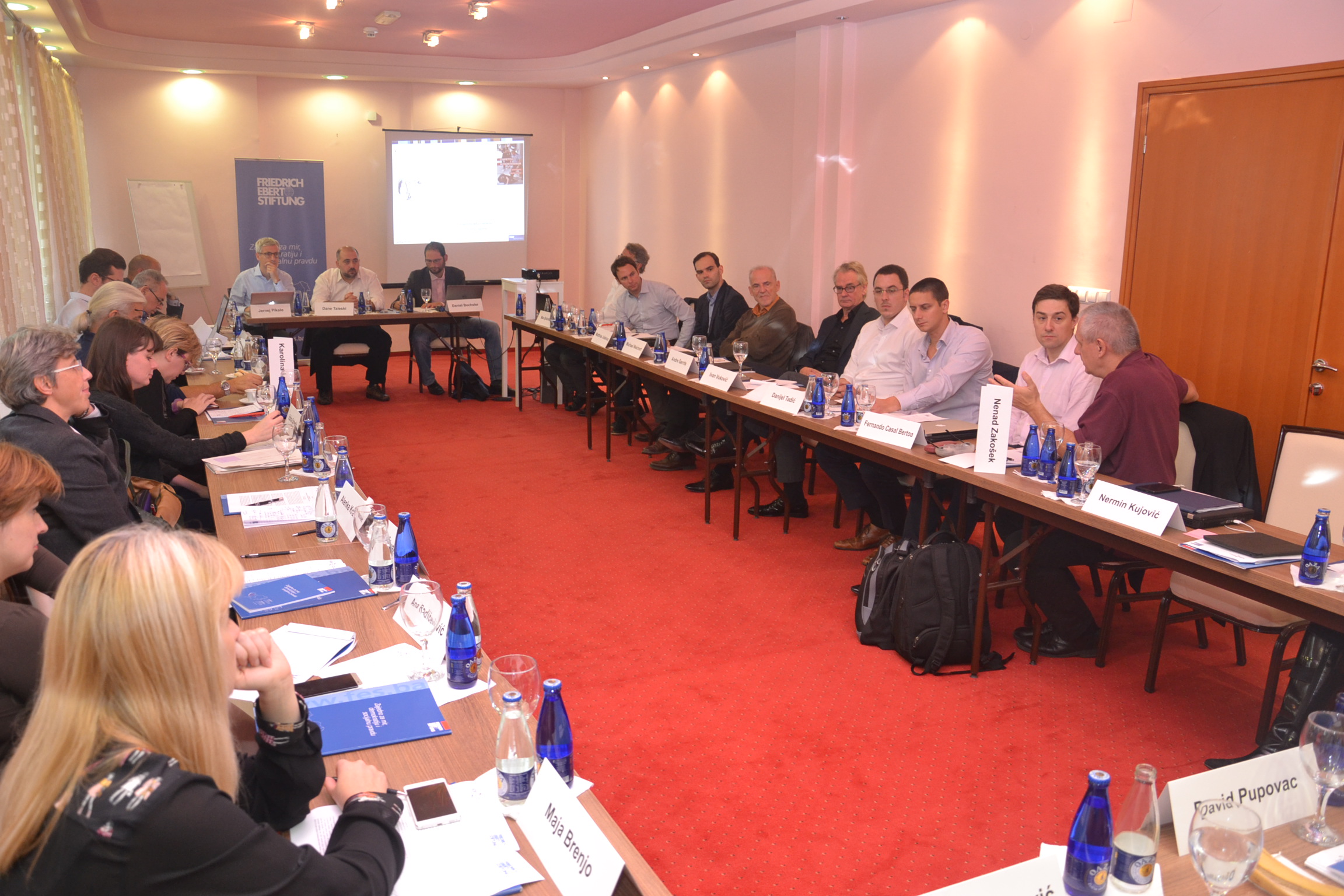
Launch of the "Political Parties, Party Systems and Elections" Research Network at the Council for European Studies Annual Conference in Paris. View LINK1 View LINK2
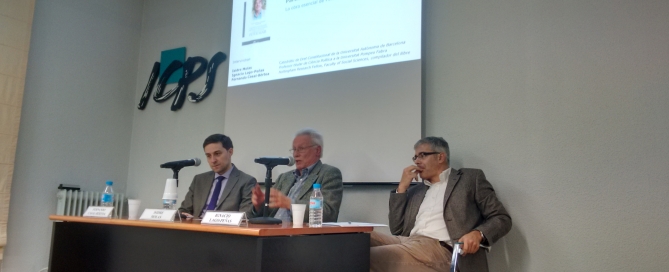
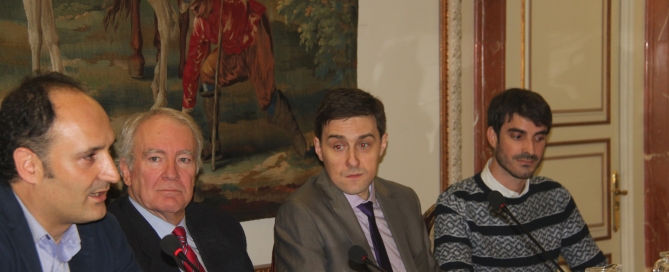
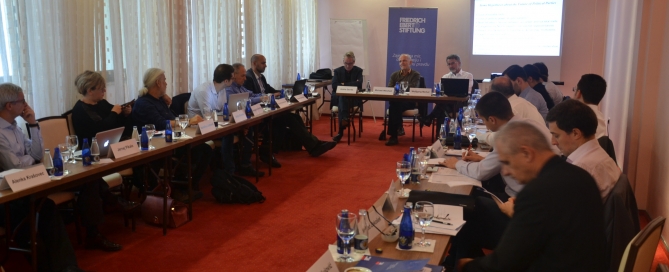
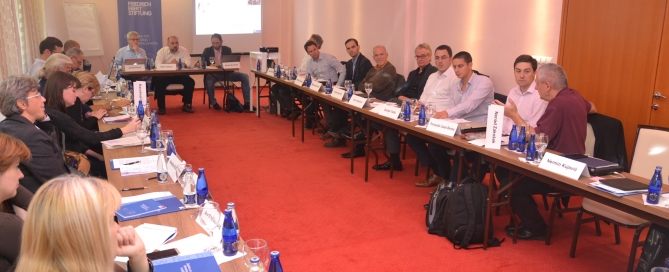
Participation in a Roundtable on "Regulatory Models, Common Problems and Examples to Learn from" at the UIMP Summer School on "Party and Campaign Funding. Other Types of Toxic Fundings" Chair: Dr. Astrid Barrio (University of Valencia) Speakers: Dr. Enrique García Viñuela, Jens-Oscar Nergârd (Norwegian Ministry of Administration, Reform and Church Affairs) and Dr. Fernando Casal [...]
By Helene Helboe Pedersen (Aarhus University) The result of the Danish national election on June 18 2015 has already been interpreted in several ways as a wake-up call to the urban political elite from the rural areas or as the election with only one winner who did not wanted to win. Up until Election Day [...]
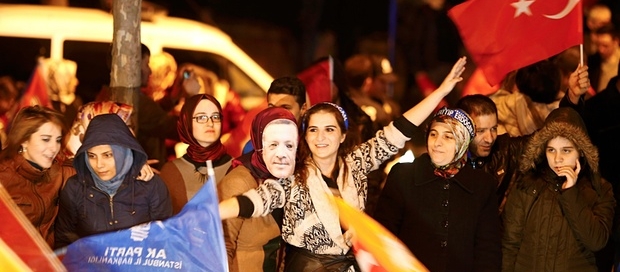
A brief analysis of the last regional and local elections and the future of the Spanish party system View LINK
Lecture at King's College London (KCL) on "Political Parties or Party Systems? Assessing the "Myth" of Institutionalization and Democracy" View LINK 1
By Jan Sundberg (University of Helsinki) According to the procedure it is the biggest party in Parliament election who is given the role to form cabinet. The previous period from the last election in 2011 was a turbulent time. Ministers resigned, Left Wing Alliance left in protest, the Katainen cabinet resigned in June 2014, a [...]
By Philip Cowley (University of Nottingham) In the early hours of 8 May, during his victory speech at Conservative Campaign Headquarters, David Cameron described the 2015 general election as one where ‘pundits got it wrong, the pollsters got it wrong, the commentators got it wrong’. It was a fair complaint. A couple of months before, [...]
Presentation at the 2nd International Interdisciplinary Conference of Political Research in Bucharest. View LINK
Lecture at the European University Institute (Florence) on "Party System Change in Times of Crisis" co-organised by POLCON and the Political Behaviour Colloquium View LINK 1
By Vello Pettai (University of Tartu) Estonia’s March 1 parliamentary elections were a victory for the incumbent prime minister, Taavi Rõivas, and his center-right (liberal) Reform Party. Capturing 30 out of 101 seats in the Riigikogu, the Reform Party (RP) came out on top, edging out the left-leaning Center Party, which got 27 seats. After [...]