

Article in “Democratic Audit UK”
Post on the relationship between party (system) institutionalisation and democratic survival. View link
Workshop on “Party Politics and Democracy: A Cross-road between Academics and Practitioners?” at the School of Politics and International Relations (University of Nottingham) with the following participants: Nicole Bolleyer (Exeter University), Fernando Casal Bértoa (University of Nottingham), Susan Dodsworth (Oxford University), Cees van der Eijk (University of Nottingham), Zsolt Enyedi (Central European University), Tim Haughton [...]

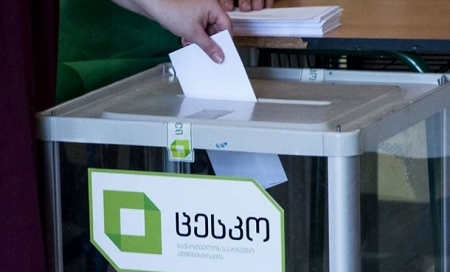
By Ioseb Jorjoliani (Georgian Institute of Politics) The Republic of Georgia held its Parliamentary elections on October 8th. With a voter turnout of about 52 percent, the ruling party- Georgian Dream (GD) secured a victory of 48.67 percent. The main opposition party - United National Movement (UNM) came in second with 27.11 percent. Unlike the [...]
By Bonnie N. Field (Bentley University) and Kerstin Hamann (University of Central Florida) Multinational democracies typically have territorially-concentrated minority groups who may seek to alter the existing patterns of political authority. This may include changing which political institutions have the authority to make (which) decisions that affect their territory, for example governments at the national, [...]
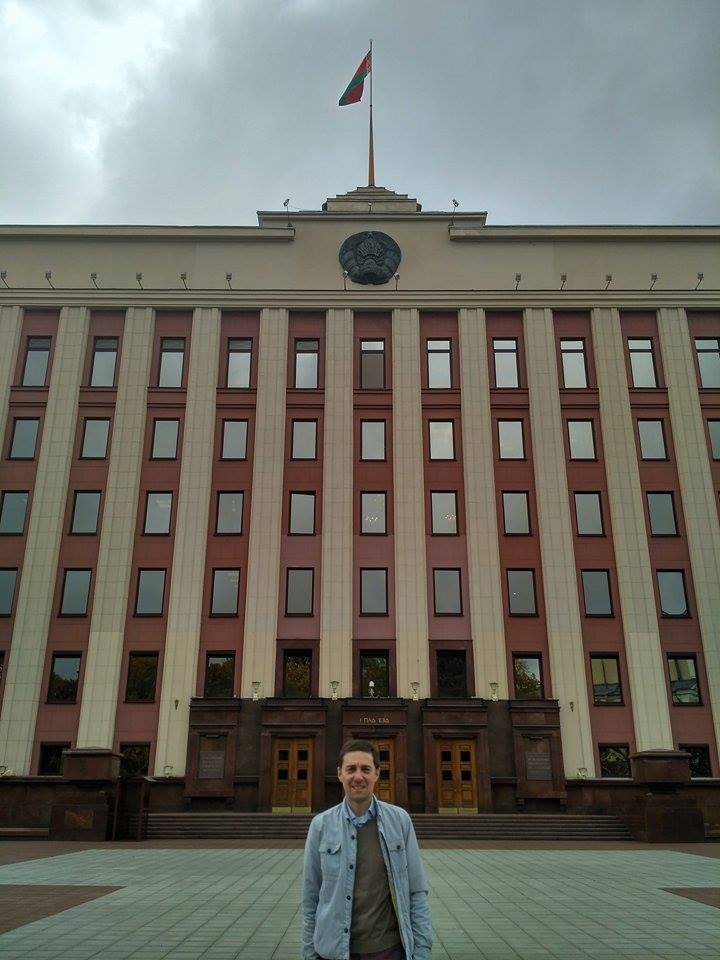
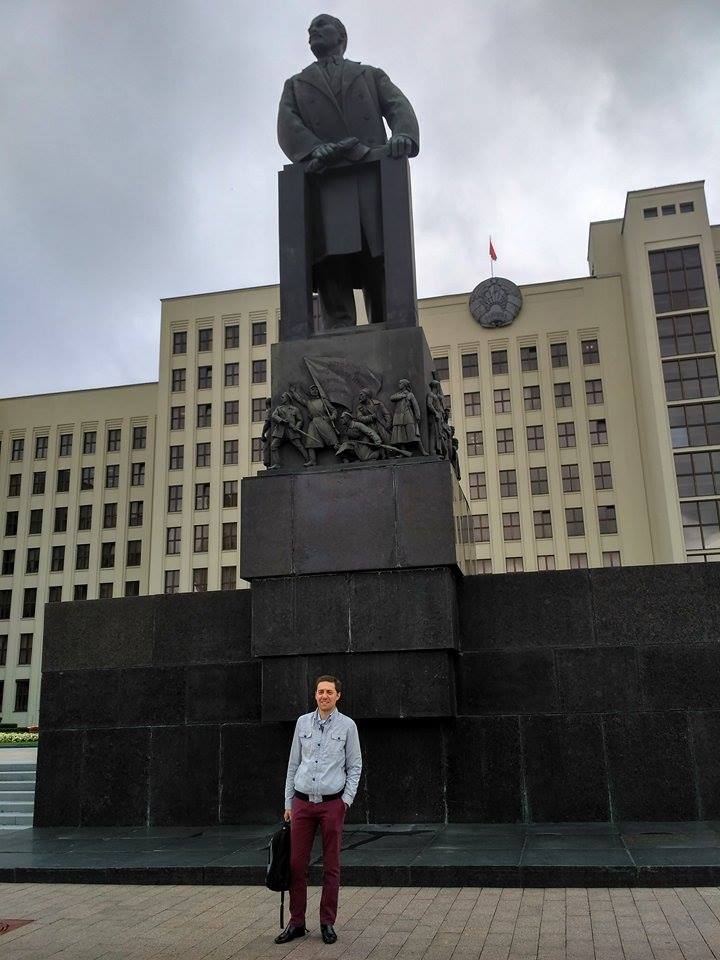
Research at the National library and the Belarusian parliament (Nacyjanalny Schod Respubliki Bielarus) in Minsk.
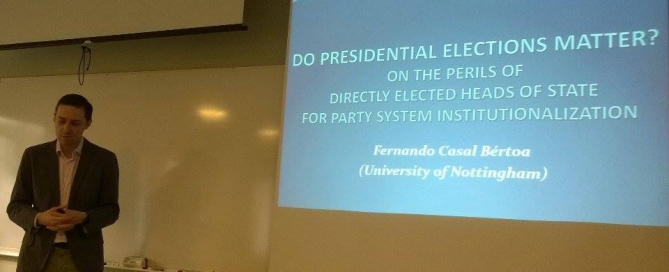
Seminar lecture at the Department of Political and Economic Studies of the University of Helsinki on "Do Presidential Elections Matter?" View LINK
Co-director at the 26th European Consortium for Political Research PhD Summer School on “Political Parties and Party Systems” in Nottingham. View LINK
Co-authored paper presented at the Elections, Public Opinion and Parties (EPOP) Annual Conference in the University of Kent. View LINK
Co-authored paper presented at the 112th APSA Annual Conference in Philadelphia.
By Oscar Barberà Aresté (University of Valencia) The number of parties in a party system can be linked to its main issue dimensions filtered by other factors such the proportionality of the electoral system. The number of parties and their relevance is also tied to the cabinet bargaining process: the more parties are involved in [...]